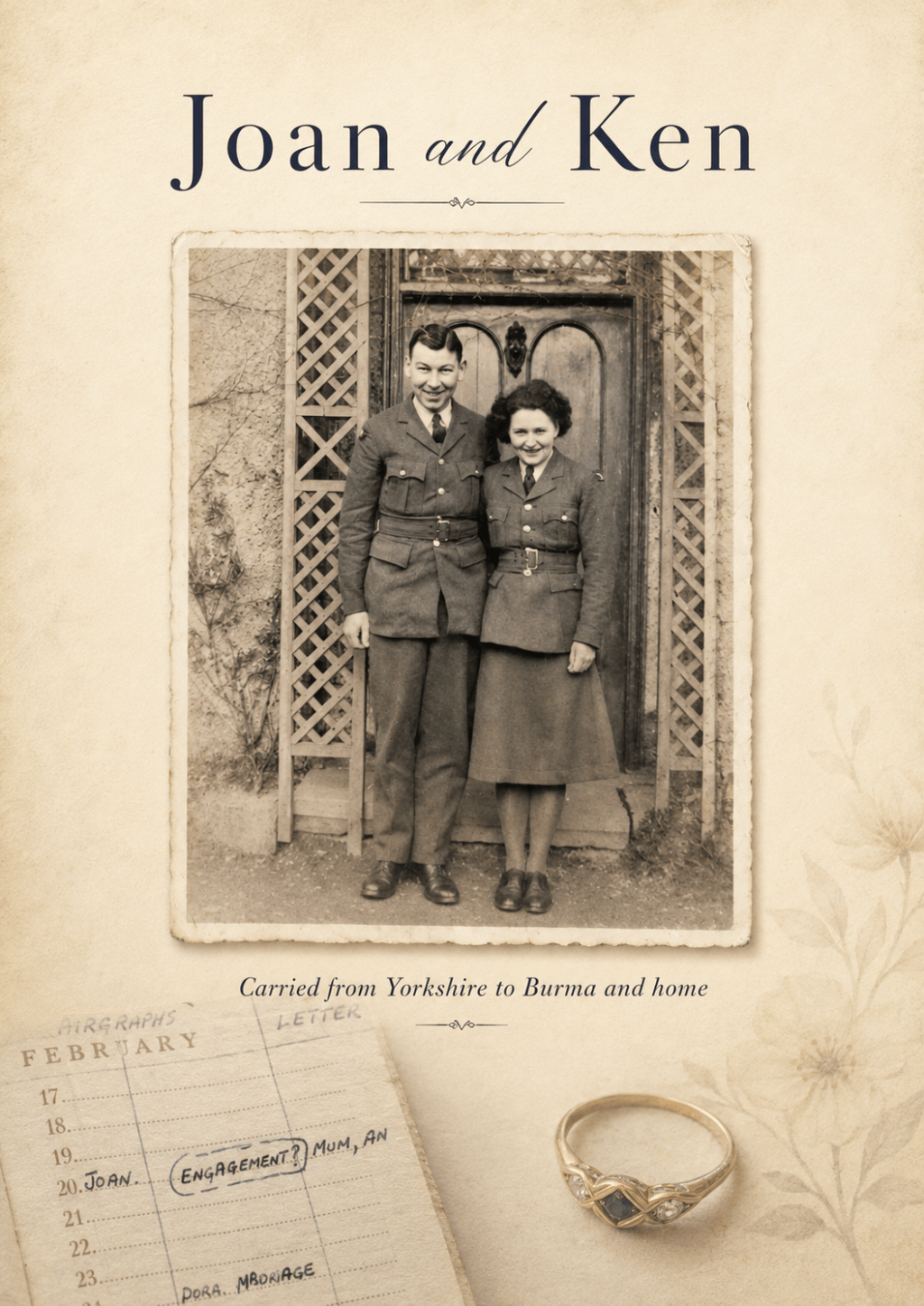
Stories are not confined to books on a shelf. They belong to the things people have held, used and carried with them.
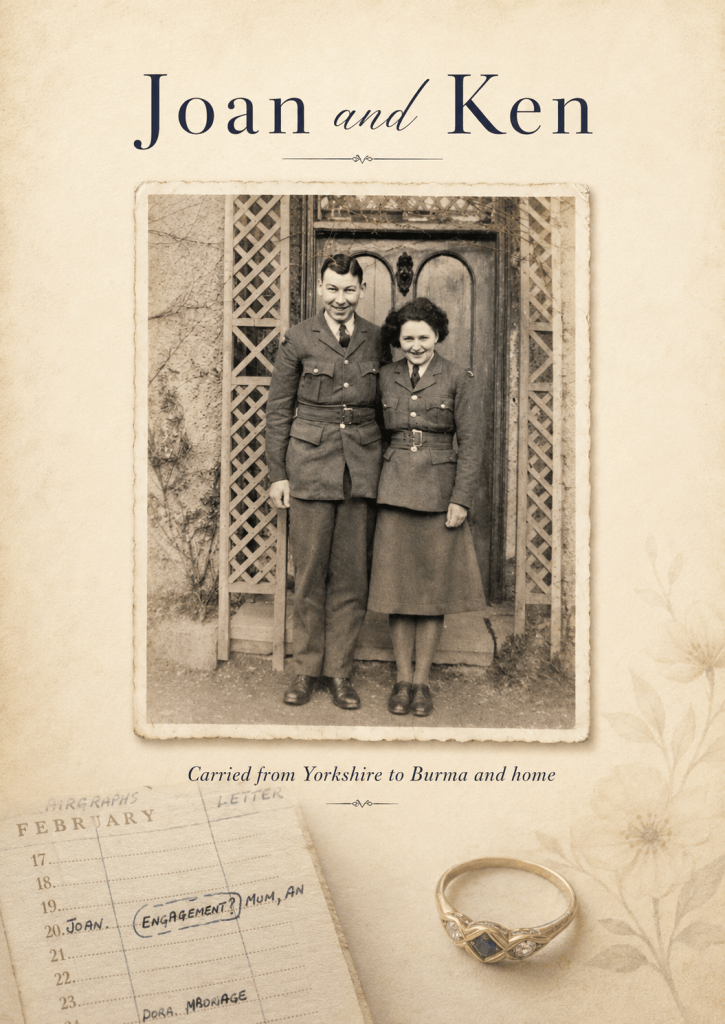
How often have you watched a programme such as BBC One’s The Repair Shop, looked at the object being restored and wondered what stories your own possessions might tell?
Recently, I have begun exploring my family’s history. In each case, I started with an object: a collection of medals tucked into a dusty corner of my parents’ attic; a little leather diary saved from the fire for posterity; and a collection of coins used until they were almost smooth, their markings barely legible.
Each object opened a door into the life of a member of my family in a way that the written record alone could not.
Records can tell us the when and the where, and perhaps something of the who. What they often lack is heart.
I knew the dates. I knew something of their jobs. But I could not yet reach the person behind them: what it felt like to be thousands of miles from home, or to be the grocer who knew the lives of the people he served across the counter each day.
Often, the objects with the most heart are not the ones formally bequeathed in a will.
They are the photograph of a loved one carried across thousands of miles, its corners curled and grubby from being handled. An old toffee tin filled with coins from a currency long gone, each one carrying the fingerprints of the many hands through which it passed. A tiny piece of blotting paper used to measure a finger during wartime. A little leather diary containing everything important to a young man at the end of a war, far from home.
These are the objects that begin to reveal the person behind the dates.
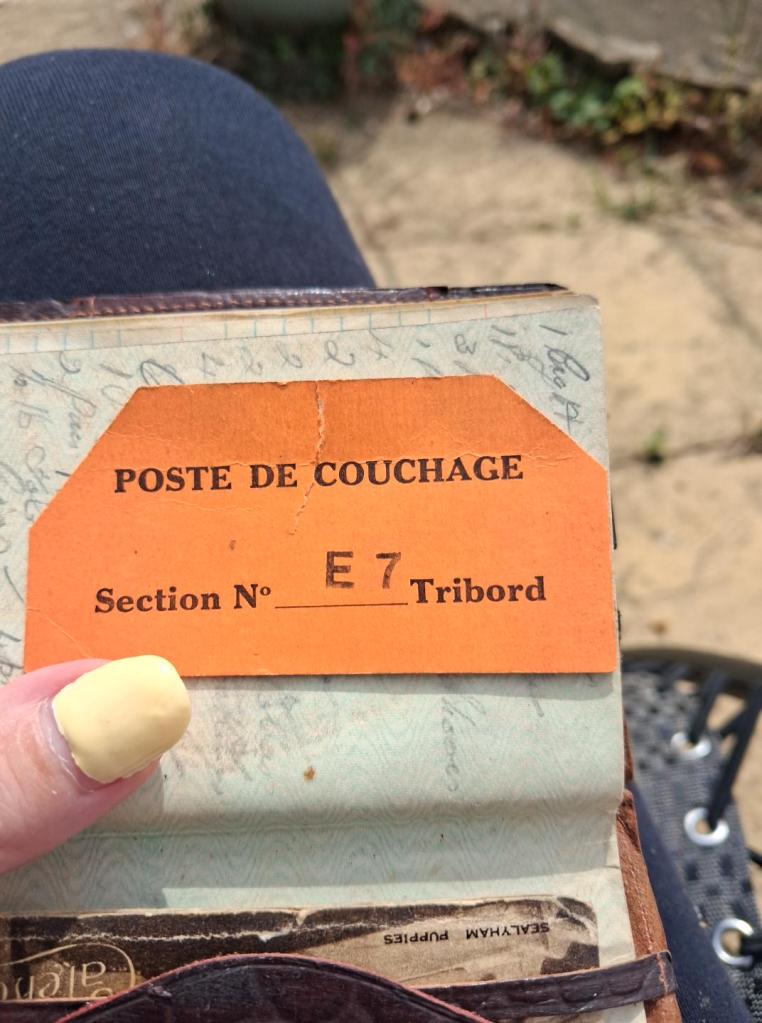
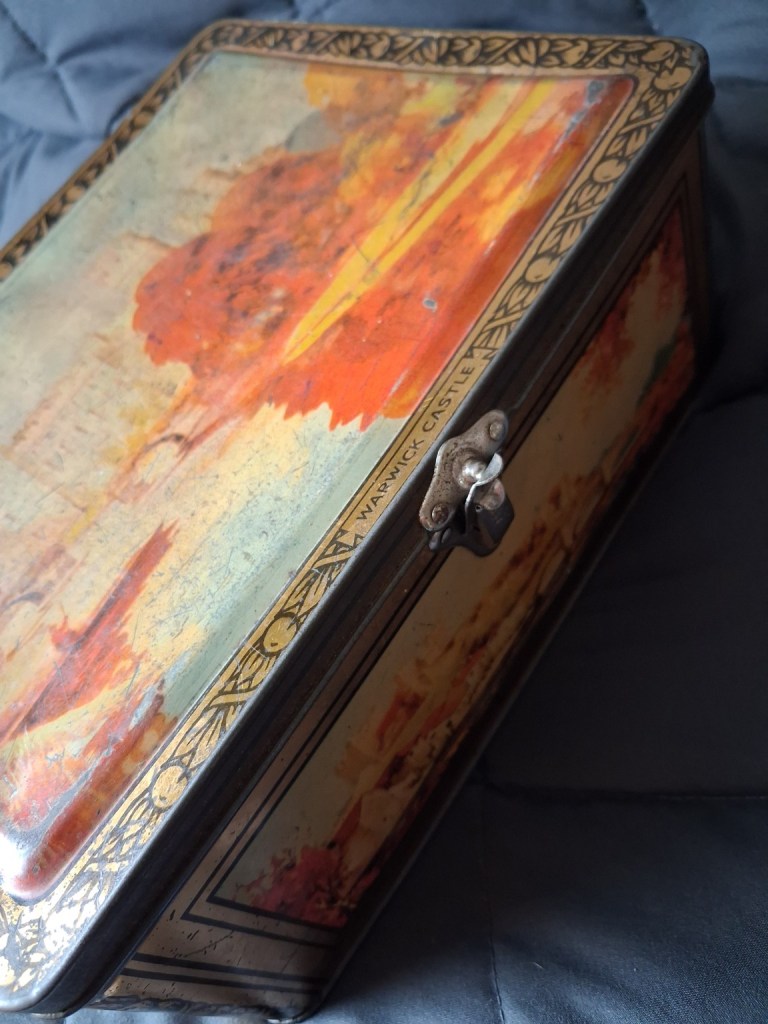
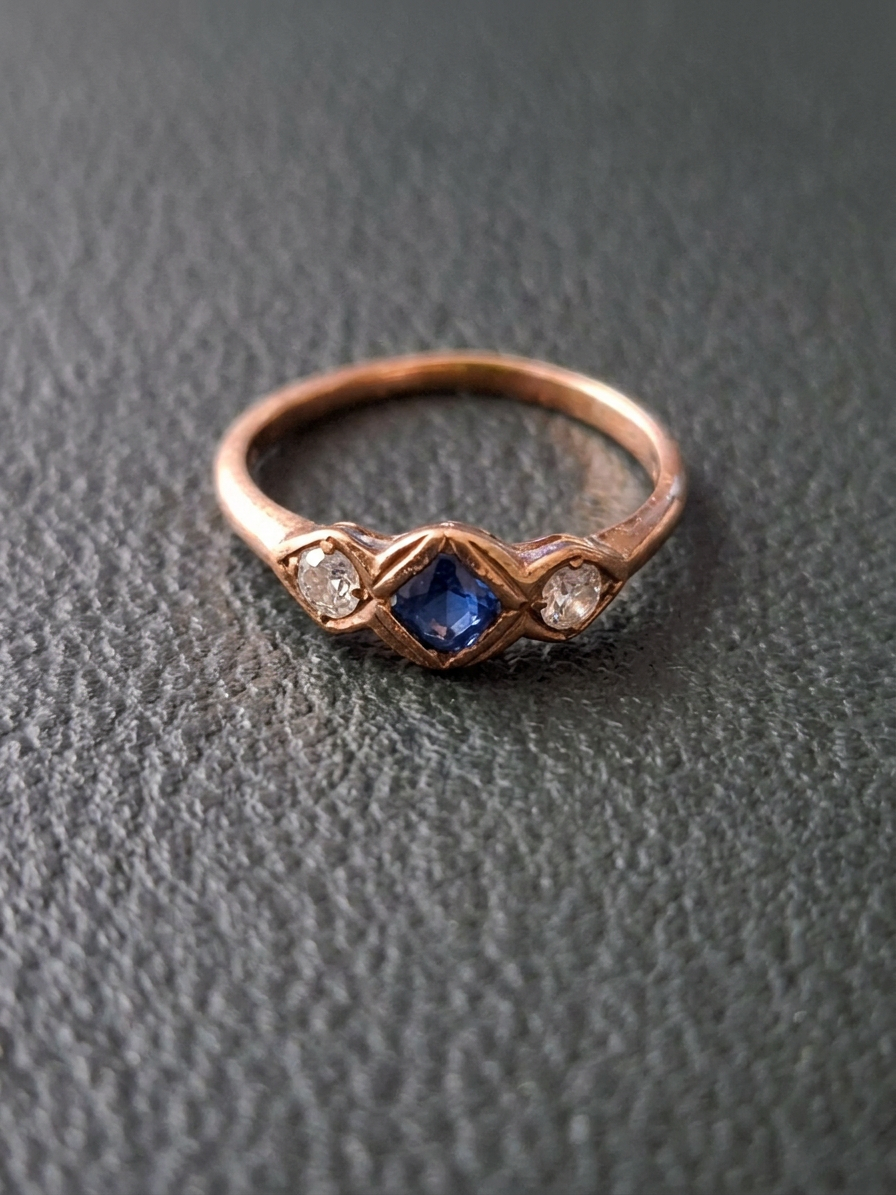
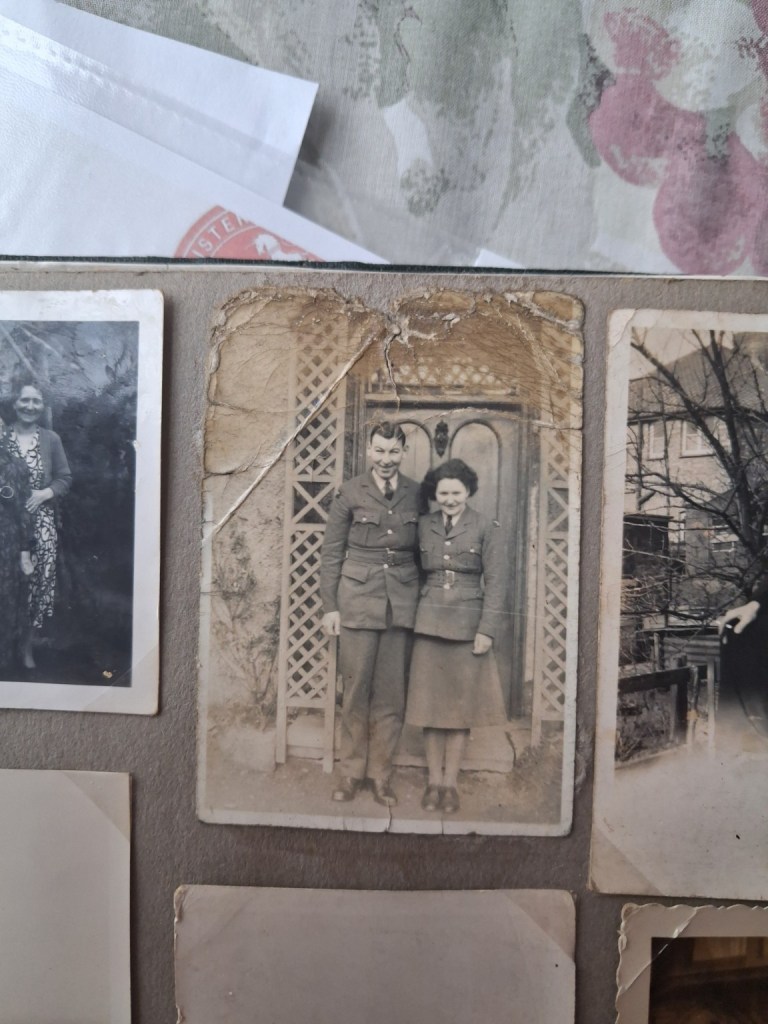
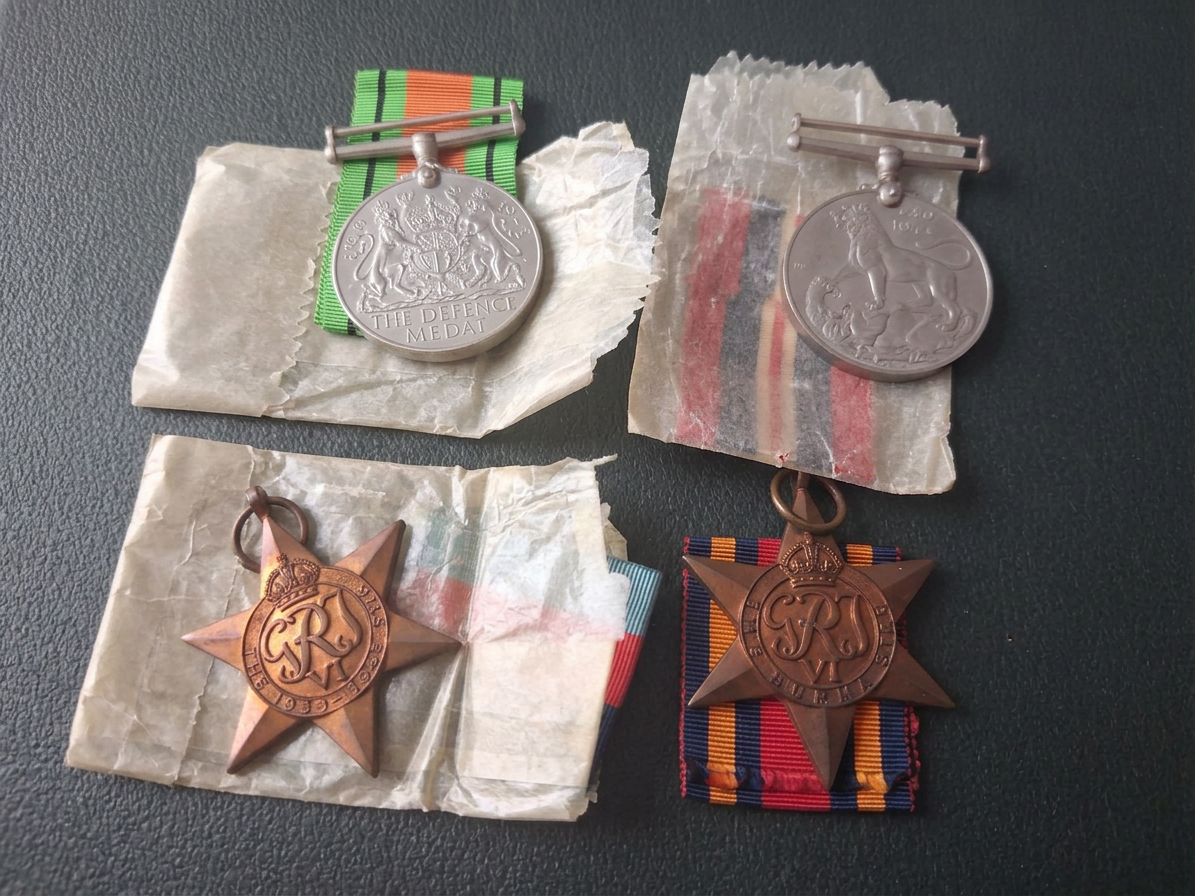
They hold stories that deserve to be carried beyond the page.


Leave a comment